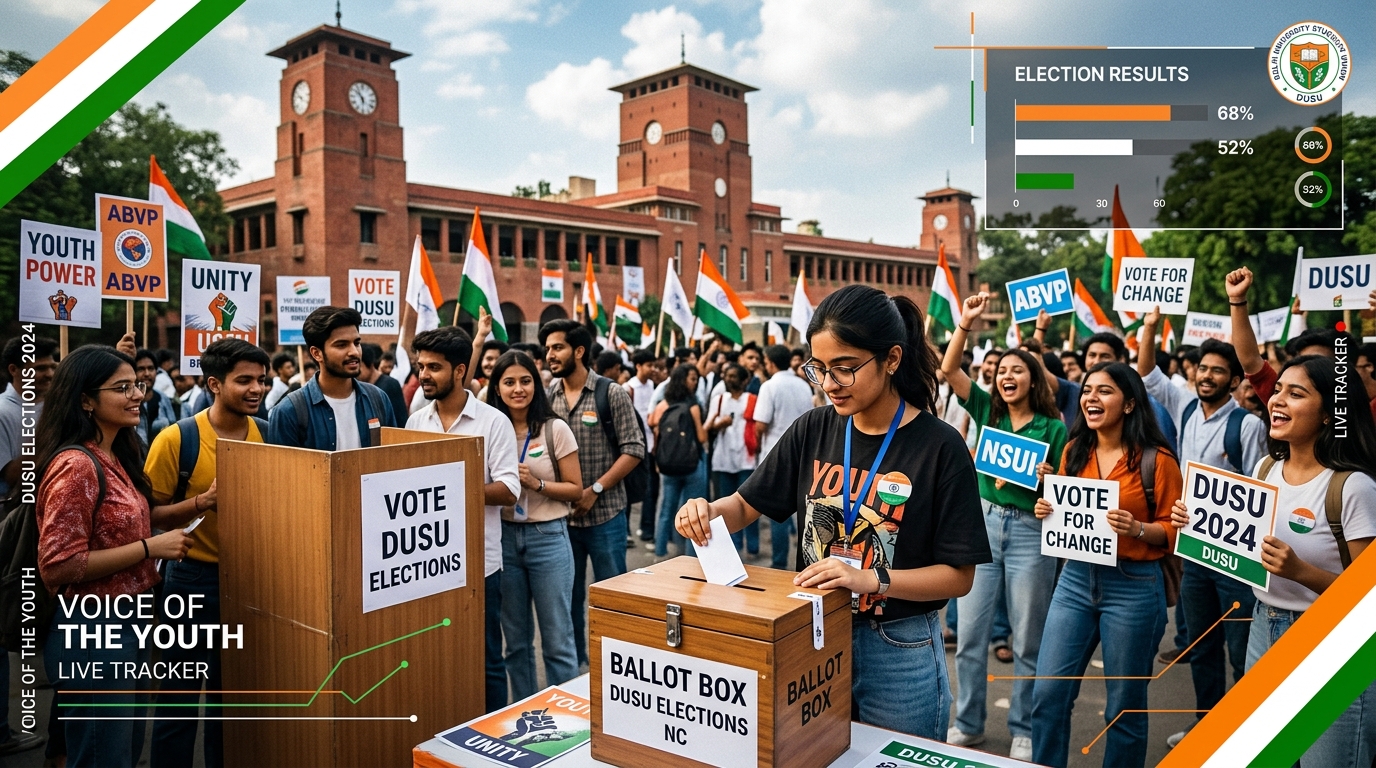
A deep-dive investigation into the tectonic disconnect between social media outrage machines and ground democratic reality in India’s premier higher education hubs. This report deconstructs how Gen Z voters in Delhi University shattered echo-chamber narratives to deliver a decisive mandate, exposes the cynical architecture behind the opposition’s ‘Chhatro Ki Goonj’ campaign, reveals how the Cockroach Janta Party (CJP) operates as an AAP 2.0 shadow digital weapon, and lays out the legal imperatives to stop rogue content creators from turning schools and colleges into unauthorized monetization sets.
Executive Summary: When Ballot Clarity Shatters the Algorithmic Echo Chamber
The outcome of the Delhi University Students’ Union (DUSU) elections has once again exposed the massive chasm separating social media perception mills from the hard realities of youth political consciousness. For weeks leading up to the polling, digital timelines were flooded with coordinated anti-establishment reels, heavily sponsored campaigns branded as “Chhatro Ki Goonj”, and performative outrage staged by digital influencers asserting that Indian students had completely rejected national development paradigms in favor of perpetual protest.
Yet, when real students walked into the polling booths across North, South, and Off-Campus colleges, the verdict was unequivocal: the Akhil Bharatiya Vidyarthi Parishad (ABVP) registered a commanding triumph, decisively sweeping key central panel posts and securing ground dominance.
┌────────────────────────────────────────────────────────────────────────────────────────┐
│               THE DIGITAL MIRAGE VS. GROUND STUDENT DEMOCRATIC REALITY                 │
└────────────────────────────────────────────────────────────────────────────────────────┘
                                             │
      ┌──────────────────────────────────────┴──────────────────────────────────────┐
      ▼                                                                             ▼
┌─────────────────────────────────────────┐                   ┌─────────────────────────────────────────┐
│     THE SOCIAL MEDIA ECHO CHAMBER       │                   │       THE GROUND CAMPUS REALITY         │
├─────────────────────────────────────────┤                   ├─────────────────────────────────────────┤
│ • Algorithmic outrage & rage-bait reels │                   │ • Focus on hostel seats & fee relief    │
│ • 'Chhatro Ki Goonj' opposition toolkit │                   │ • Metro student pass concession drives  │
│ • Influencer stunts & school trespassing│                   │ • Placement cells, labs & Wi-Fi infra   │
│ • CJP satire mask hiding AAP 2.0 agenda │                   │ • Women safety marshals & campus lights │
│ • Claims of 'total youth rebellion'     │                   │ • Rejection of perpetual grievance      │
└─────────────────────────────────────────┘                   └─────────────────────────────────────────┘
                                             │
                                             ▼
                        ┌─────────────────────────────────────────┐
                        │      DUSU ELECTION BALLOT BOXES         │
                        │    ABVP Sweeps Central Panel Mandate    │
                        │   Left-NSUI Digital Meltdown Follows    │
                        └─────────────────────────────────────────┘
The aftermath was predictable: a synchronized meltdown across Left-leaning student outfits (AISA, SFI), the Congress-backed NSUI, and their affiliated digital influencers. Unable to process why aspirational Gen Z youth refused to vote in lockstep with algorithmic fury, the ecosystem resorted to their standard coping playbook: branding young voters as “misguided,” claiming democratic processes were compromised, and escalating their disruptive digital stunts.
This report cuts through the noise to investigate the four defining pillars of this political moment:
- The Gen Z Voting Dynamic: Why modern students prioritize tangible infrastructure, merit, and national strength over abstract ideological victimhood.
- The ‘Chhatro Ki Goonj’ Deconstruction: How opposition campaigns led by Rahul Gandhi fail because they view university students as an emotional grievance bank rather than ambitious future builders.
- The CJP Architecture (AAP 2.0): How the “Cockroach Janta Party” operates as an unregistered shadow wing for AAP and anti-government influencers to launch slander without legal accountability.
- The Legal Reckoning for Rogue Content Creators: Why self-styled YouTubers and digital agitators entering schools and colleges without legal status constitute criminal trespass and require stringent state prosecution.
1. The DUSU Mandate: Why Gen Z Chose Governance Over Grievance
For decades, political analysts framed university campuses as natural breeding grounds for radical Left ideological mobilization. That obsolete thesis has been thoroughly dismantled by India’s current generation of university students.
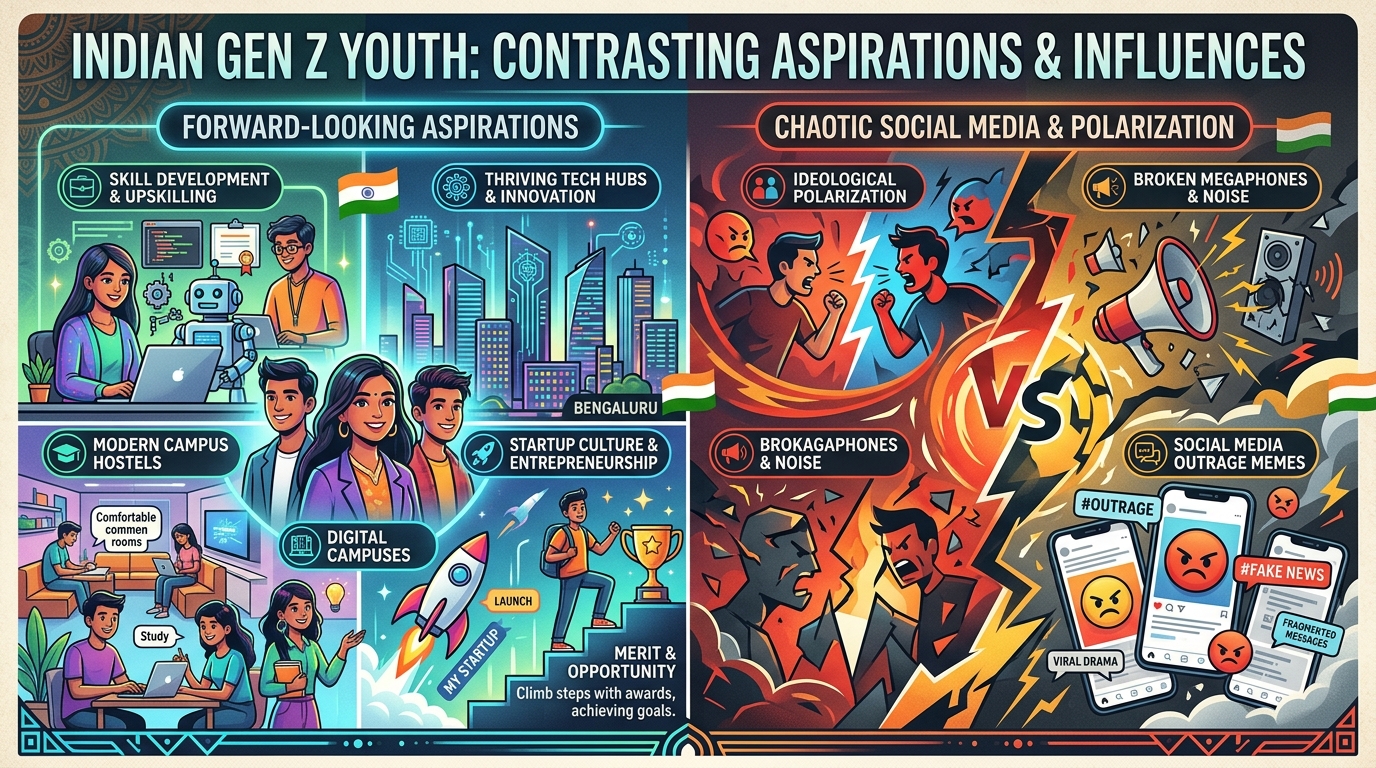 Figure 1: Comparative breakdown of forward-looking Indian Gen Z student aspirations (skill development, modern campus infrastructure, startup culture) versus the chaotic outrage and polarization promoted by viral social media echo chambers.
The Real Student Agenda vs. The Radical Slogan
While Left coalitions (AISA-SFI) and NSUI focused their campaigns on theoretical global disputes, anti-national rhetoric, and endless calls for campus strikes, the student electorate had an entirely different set of daily priorities:
| Core Student Priority | ABVP Campus Manifesto & Delivery | Left / NSUI / Opposition Campaign Track |
|---|---|---|
| Hostel Accommodation | Expanding affordable hostels, standardizing PG rent regulations across North/South Campus | Staging sit-ins with zero institutional liaison or policy blueprints |
| Affordable Transit | Sustained institutional push for Delhi Metro student concession passes and university feeder e-buses | Slogan shouting against transport authorities without structural proposals |
| Academic Infrastructure | Upgrading digital libraries to 24/7 access, air-conditioned study halls, lab grants | Boycotting curriculum updates, blocking semester exams, and disrupting classes |
| Placement & Upskilling | Incubation centers for student startups, corporate placement drives, AI & tech certifications | Demanding perpetual student union subsidies and state-funded lifetime allowances |
| Campus Security | CCTV coverage, sanitary napkin dispensers, active ‘Mission Sahasi’ self-defense training | Framing institutional security as ‘state surveillance’ and opposing basic campus policing |
The Gen Z Psychology: Aspirational, Pragmatic, and Discerning
Gen Z students entering Delhi University are the most digitally literate, globally connected, and competitive cohort in Indian history. They recognize that:
- Higher Education is a Launchpad, Not a Protest Hub: Students invest immense effort to crack CUET and secure seats in prestigious DU colleges like SRCC, Hindu, Hansraj, Miranda House, and St. Stephen’s. They do not want their academic calendar derailed by professional agitators who remain perpetual students into their thirties.
- National Pride is an Integral Value: Unlike previous generations burdened by post-colonial diffidence, today’s youth view India as a rising global economic and technological powerhouse. Left-wing slogans that insult national sovereignty, question armed forces operations, or mock indigenous cultural traditions generate intense repulsion among general students.
- Voting on Performance, Not Raw Negativity: Even where students hold legitimate criticisms of government policies—such as competitive exam leak challenges or paper delay grievances—they demand constructive institutional reform, not the anarchist dismantling of democratic systems.
When the voting machines were sealed, the verdict was clear: Gen Z students refuse to outsource their brains to viral reels. They chose leaders who sit across the table with university administrations to deliver practical outcomes.
2. Deconstructing ‘Chhatro Ki Goonj’: The Fatal Flaw in Opposition Youth Strategy
Following consecutive general election setbacks, the parliamentary opposition led by Rahul Gandhi and the Congress youth wing launched an aggressive narrative blitzkrieg under the umbrella slogan “Chhatro Ki Goonj” (The Voice of Students). The stated objective was to harvest student anxiety, organize campus flashmobs, and project a nationwide student rebellion against the Modi administration.
┌────────────────────────────────────────────────────────────────────────────────────────┐
│                   THE 'CHHATRO KI GOONJ' NARRATIVE MANUFACTURE CYCLE                   │
└────────────────────────────────────────────────────────────────────────────────────────┘
                                             │
      ┌──────────────────────────────────────┼──────────────────────────────────────┐
      ▼                                      ▼                                      ▼
┌─────────────────────────┐        ┌─────────────────────────┐        ┌─────────────────────────┐
│ 1. GRIEVANCE EXTRACTION │        │ 2. INFLUENCER AMPLIFIER │        │ 3. POLITICAL HARVEST    │
├─────────────────────────┤        ├─────────────────────────┤        ├─────────────────────────┤
│ • Scout local exam/fee  │        │ • Feed spliced clips to │        │ • Leader arrives for PR │
│   challenges            │ ─────► │   sympathetic YouTubers │ ─────► │   photo-ops and reels   │
│ • Frame any issue as    │        │ • Coordinate trending   │        │ • Promises unviable     │
│   existential crisis    │        │   hashtags on X and IG  │        │   populist freebies     │
└─────────────────────────┘        └─────────────────────────┘        └─────────────────────────┘
                                             │
                                             ▼
                        ┌─────────────────────────────────────────┐
                        │      BALLOT REJECTION BY GEN Z          │
                        │   Youth Reject Perpetual Pessimism &    │
                        │   Demand Structural Competence          │
                        └─────────────────────────────────────────┘
Why the Opposition Narrative Collapses on Campus
The fundamental flaw of the Chhatro Ki Goonj playbook is its profound misunderstanding of the modern Indian student psyche:
- Viewing Youth as Permanent Victims: The opposition’s narrative relies entirely on portraying Indian students as helpless victims trapped in a dystopian nation with zero future. In contrast, Gen Z sees challenges as hurdles to be conquered through upskilling, technological disruption, entrepreneurship, and global competitiveness.
- The Credibility Vacuum in Leadership: While digital PR teams attempt to package Rahul Gandhi through curated interactions, gym vlogs, and photo-ops in university canteens, students judge leadership on ideological consistency, domain depth, and proven governance records. When opposition leaders openly ally with global actors seeking to sanction Indian industries or delegitimize constitutional elections, aspirational students perceive them as entertainers and meme figures rather than serious prime ministerial alternatives.
- Populism Without Fiscal Logic: Promising unconditional cash handouts (Khatakhat economics) and guaranteed government jobs for millions without explaining budgetary mechanics strikes educated students as an insult to their intelligence. Gen Z understands that wealth creation, ease of doing business, and high-tech manufacturing ecosystems create sustainable careers—not state patronage.
When students see through the artificial packaging of these campaigns, the outrage deflates, leaving behind empty hashtags and electoral defeats.
3. Unmasking CJP (Cockroach Janta Party): The AAP 2.0 Shadow Digital Weapon
Among the most toxic developments in Indian political communication is the emergence of surrogate digital propaganda outfits masquerading as satirical fronts. Foremost among these is the self-styled “Cockroach Janta Party” (CJP).
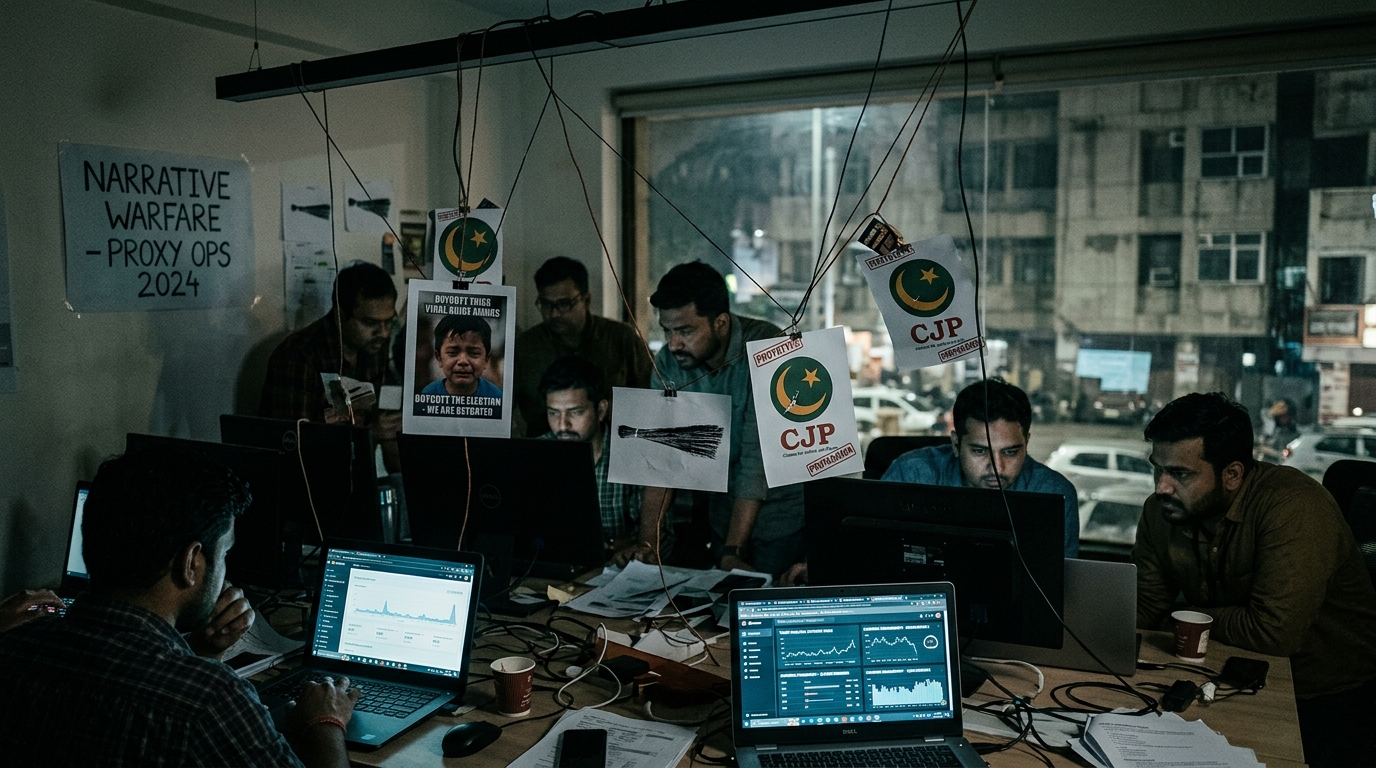 Figure 2: Investigative schematic of the shadow narrative war room: unmasking how unregistered pseudo-satirical fronts operate as covert digital attack wings for political parties and algorithmic agitation.
The Covert Symbiosis: Why CJP is AAP 2.0
An examination of content patterns, digital coordination, financial amplifiers, and physical activist networks reveals that CJP is not an organic parody club—it is a systematic shadow proxy operation modeling the classic Aam Aadmi Party (AAP) digital playbook (AAP 2.0):
                                  THE AAP 2.0 / CJP PROXY PLAYBOOK

   Mainstream Political Entity                                      Shadow Parody Front (CJP)
  ┌───────────────────────────────┐                               ┌───────────────────────────────┐
  │ • Formal Political Party      │                               │ • Unregistered Satirical Tag  │
  │ • Bound by ECI Guidelines     │                               │ • Immune from Party Code      │
  │ • Subject to MCC & Defamation │                               │ • Launches Vulgar Deepfakes   │
  │ • Maintains Media Decorum     │ ──── Shadow Directives ────►  │ • Targets Court Officials     │
  └───────────────────────────────┘                               └───────────────────────────────┘
                 ▲                                                                │
                 │                                                                ▼
                 └──────────────── Amplifies Manufactured Content ────────────────┘
- The Plausible Deniability Shield: Mainstream political entities cannot openly launch vulgar personal smears, deepfaked videos, or defamatory attacks against judges, public spokespersons, and institutional heads without facing immediate Election Commission sanctions or court contempt. By routing these attacks through CJP handles, the syndicate achieves maximum viral character assassination while shielding formal party bosses.
- The Shared Digital Syndicate: Media forensic tracing demonstrates that the same network of digital agencies, clip farms, and meme managers handling official AAP influencer outreach simultaneously seed, fund, and amplify CJP assets.
- The Parody Defense in Court: The moment legal notices, Delhi High Court injunctions, and police complaints are filed against CJP operatives for synthetic defamation (as seen in the landmark case filed by Senior Advocate Gaurav Bhatia), their aggressive crusader persona vanishes. Their high-priced court corridor lawyers instantly plead: “My Lord, we are merely an unregistered comedy group doing parody.”
This cowardly double standard—acting as political hitmen on social media while hiding behind satire in the courtroom—must be decisively called out. Indian jurisprudence does not permit criminal defamation, deepfaking, and coordinated harassment to masquerade under the guise of free artistic expression.
4. Rogue Content Creators & The Law: The Menace of Unauthorized School Trespassing
A dangerous consequence of monetized social media algorithms is the rise of digital vigilantes—YouTubers, self-proclaimed “fact-checkers,” and rogue content creators who believe a smartphone gimbal and a million followers give them the power of a statutory magistrate.
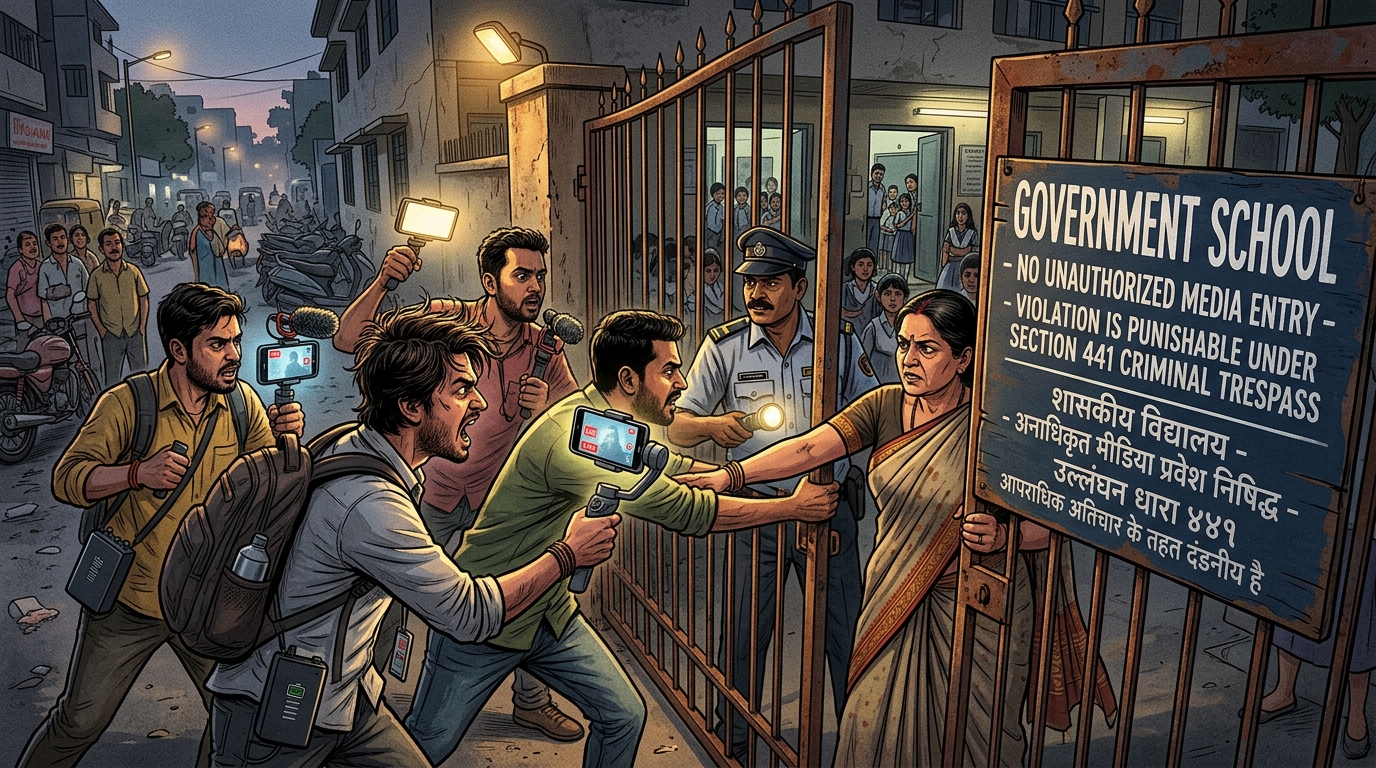 Figure 3: Forensic illustration of rogue social media influencers attempting unauthorized entry into government educational institutions, confronted by statutory trespass warnings and child protection laws.
Recent incidents across Delhi, Uttar Pradesh, and other states have seen digital agitators (including figures associated with controversial handles like Saurav Das, CJP agitators, and aggressive vloggers) forcefully barging into government schools, colleges, and examination halls without administrative permission, shouting at teachers, harassing female principals, and shoving cameras into the faces of minor children for algorithmic clickbait.
Content Creators Have Zero Legal Authority
It is critical to establish the fundamental constitutional and statutory boundaries that govern public institutions in India:
┌────────────────────────────────────────────────────────────────────────────────────────┐
│               LEGAL STATUS: ACCREDITED JOURNALISTS VS. SOCIAL MEDIA CREATORS           │
└────────────────────────────────────────────────────────────────────────────────────────┘
                                             │
      ┌──────────────────────────────────────┴──────────────────────────────────────┐
      ▼                                                                             ▼
┌─────────────────────────────────────────┐                   ┌─────────────────────────────────────────┐
│     ACCREDITED MEDIA PROFESSIONALS      │                   │      ROUGUE DIGITAL CONTENT CREATORS    │
├─────────────────────────────────────────┤                   ├─────────────────────────────────────────┤
│ • Regulated by Press Council of India   │                   │ • Unregulated private individuals       │
│ • Bound by Cable TV & PIB Media Ethics  │                   │ • No institutional oversight            │
│ • Follow institutional entry protocols  │                   │ • Forceful entry for viral monetization │
│ • Strict norms on filming minors        │                   │ • Exploits children for rage-bait views │
│ • Statutory accreditation & identity    │                   │ • Zero legal standing or audit powers   │
└─────────────────────────────────────────┘                   └─────────────────────────────────────────┘
The Criminality of Unauthorized School Intrusions: Applicable Legal Provisions
When an unverified content creator storms into an educational institution without written authorization from the Directorate of Education or the District Magistrate, they commit multiple cognizable offenses under Indian law:
- Criminal Trespass (Section 329 / Section 441 of BNS / IPC): Entering public or private educational property without lawful authority to intimidate, insult, or annoy public servants in the discharge of their duties.
- Violation of the Juvenile Justice Act & POCSO Guidelines: Filming minor school students inside classrooms, bathrooms, or playgrounds without written parental and school consent is a grave offense. The National Commission for Protection of Child Rights (NCPCR) has repeatedly issued strict directives that broadcasting children’s faces on monetized digital platforms infringes on their fundamental Right to Privacy under Article 21.
- Obstructing Public Servants (Section 132 / Section 186 of BNS / IPC): Disrupting a government teacher or principal conducting classes, demanding instant records on camera, and creating a ruckus constitutes unlawful interference with public duties.
- Information Technology Act (Digital Harassment & Monetized Defamation): Using footage obtained through illegal entry to run targeted character-assassination reels for digital ad revenue triggers severe civil and criminal liabilities under the IT Rules 2021/2023.
Necessary State Action: Standard Operating Protocols (SOP) Required
State education departments and police directorates must immediately institute a zero-tolerance policy against influencer trespassing:
- Strict Gate Security & Entry Logs: No private video recording equipment, drones, or unauthorized smartphones should be permitted past school gates without formal accreditation and verified written clearance from the Education Officer.
- Mandatory FIRs Against Trespassers: Principals and headmasters must be legally protected and instructed to file immediate police complaints against any digital creator attempting forceful entry or intimidation.
- Platform De-monetization: Authorities must notify YouTube, Meta, and X to de-monetize and take down any content generated through the unlawful intrusion of child educational spaces.
5. Media Literacy for Gen Z: Separating Viral Theater from Nation Building
The digital age offers young Indians unprecedented access to knowledge, innovation, and global networks. However, it also exposes them to coordinated psychological operations designed to manufacture cynicism, paralyze ambition, and destabilize institutional confidence.
┌────────────────────────────────────────────────────────────────────────────────────────┐
│                  THE CITIZEN'S TOOLKIT FOR DIGITAL NARRATIVE HYGIENE                   │
└────────────────────────────────────────────────────────────────────────────────────────┘

 [ 1. CHECK THE LEGAL STANDING ] ──► Does this influencer have statutory authority or
                                     are they staging a viral spectacle for ad revenue?

 [ 2. TRACE THE FUNDING PROXY  ] ──► Who benefits politically from this rage campaign?
                                     Is this an unregistered front (CJP / AAP 2.0)?

 [ 3. EVALUATE GROUND REALITY  ] ──► Does this online outrage match the verified ballot
                                     verdict of thousands of real students in DUSU?

 [ 4. DEMAND POLICY OVER MEMES ] ──► Are opposition campaigns offering concrete fiscal
                                     solutions or just perpetual grievance and chaos?
The Decisive Conclusion
The decisive verdict of the DUSU elections is a watershed moment for Indian student politics. It confirms that Gen Z possesses intellectual clarity, patriotic pride, and democratic discernment. They recognize that genuine student empowerment comes from modern libraries, placement networks, affordable transit, and national security—not from the synchronized theatrical outrage of opposition toolkits, unregistered parody fronts, or rogue YouTubers trespassing into schools.
As India marches toward its centenary of independence, its youth have chosen to be architects of national resurgence rather than pawns in ideological narrative warfare.
Archival & Investigative Data Sources
- Delhi University Central Election Office: Official DUSU 2024-2026 Panel Election Results & Voter Turnout Metrics.
- High Court of Delhi: Landmark Injunction Pleadings in Gaurav Bhatia vs. Digital Intermediaries & Unregistered Parody Channels (Synthetic Media & AI Slander).
- Ministry of Law and Justice: Bharatiya Nyaya Sanhita (BNS) Sections on Criminal Trespass, Obstructing Public Servants, and Right to Reputation.
- National Commission for Protection of Child Rights (NCPCR): Statutory Advisory on Protection of Minor Students from Commercial and Unauthorized Digital Recording in Educational Institutions.
- Ministry of Electronics and Information Technology (MeitY): Information Technology (Intermediary Guidelines and Digital Media Ethics Code) Rules 2021 & 2023 Amendments.
Reader Perspectives