A forensic investigation into the evolving intersection of influencer culture, high-stakes electoral politics, and algorithmic monetization. As Uttar Pradesh gears up for its upcoming assembly elections, digital commentators—most prominently Nitish Rajput—have increasingly shifted from general informational videos toward targeted political narratives, culminating in pop-culture crossovers with reality television tropes like Bigg Boss 20 and viral appearances alongside established partisan creator networks.
Executive Summary: The Rise of the Political Influencer Class
In the high-stakes arena of contemporary Indian politics, traditional campaign rallies and physical posters are no longer the primary arbiters of voter psychology. The real battleground has migrated to 60-second vertical reels, stylized YouTube explainers, and synchronized social media commentary.
As Uttar Pradesh approaches its crucial election season, prominent digital creator Nitish Rajput has found himself at the center of a raging public debate. Once branded primarily as an impartial, documentary-style educational creator, Rajput’s recent output reveals a marked pivot: sharp, recurring critiques of Uttar Pradesh governance, selective scrutiny of BJP-administered states, and an increasingly overt alignment with India’s established liberal YouTube commentary sphere.
                    THE INFLUENCER POLARIZATION FUNNEL

┌─────────────────────────┐
│ Neutral Explainer Phase │  Build massive subscriber base with history, civic topics,
│ (The Credibility Trap)  │  and uncontroversial educational explainers.
└───────────┬─────────────┘
            ▼
┌─────────────────────────┐
│ Pop-Culture Crossover   │  Infuse reality television tropes (Bigg Boss 20, drama,
│ (The Gen Z Hook)        │  viral feuds) to lower critical defense mechanisms.
└───────────┬─────────────┘
            ▼
┌─────────────────────────┐
│ Electoral Timing Pivot  │  Synchronize sharp anti-state critiques right as assembly
│ (Targeting UP Politics) │  elections approach; coordinate releases with peer creators.
└───────────┬─────────────┘
            ▼
┌─────────────────────────┐
│ Monetized Echo-Chamber  │  Cash in on high-engagement algorithmic outrage, premium
│ (The Syndicate Network) │  brand sponsorships, and multi-channel amplification.
└─────────────────────────┘
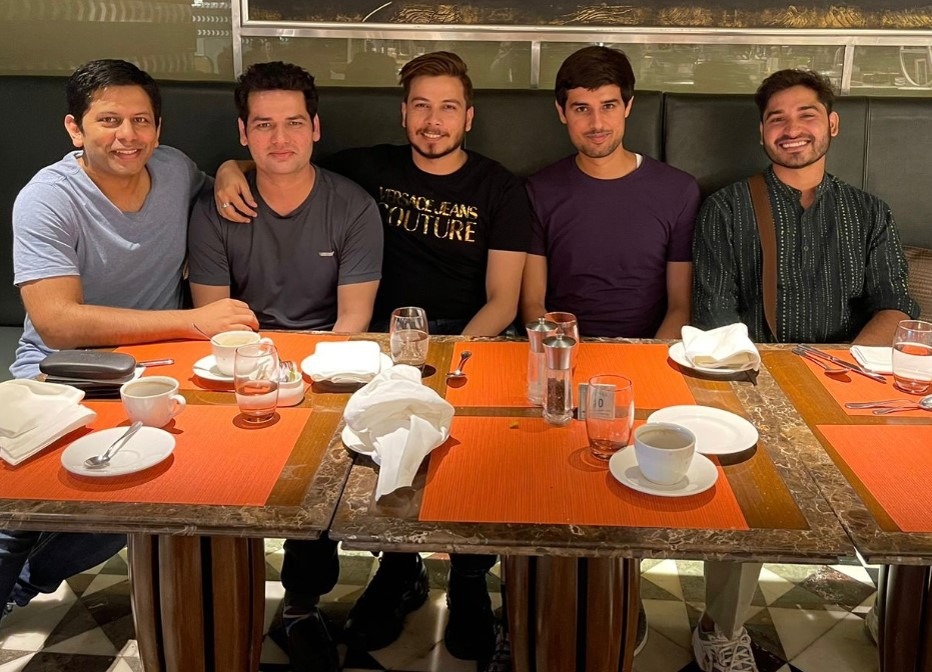
The recent viral photograph showing Nitish Rajput seated at a dinner table alongside veteran anti-establishment commentators—including Dhruv Rathee, Akash Banerjee (The DeshBhakt), Mohak Mangal, and peers—has catalyzed widespread scrutiny. Far from isolated creators producing spontaneous individual reflections, the evidence points toward a mature, monetized ecosystem where entertainment tropes and political framing are carefully packaged for electoral reach.
1. Influencer Culture and the High-Yield Monetization Machine
The central illusion of creator-led political commentary is the presumption of organic, disinterested citizen journalism. However, a forensic look at the digital economy reveals that political commentary is an extraordinarily lucrative commercial business.
The Economics of Algorithmic Outrage
- Audience Retention Metrics: YouTube and Meta algorithms reward sensationalist headlines, emotional grievance, and dramatic conflict over nuanced legislative evaluation. A 15-minute video calmly detailing bureaucratic policy yields modest views; a punchy video asking “Is democracy dead in Uttar Pradesh?” generates millions of views and massive algorithmic velocity within hours.
- Ad-Sense & Premium Brand Deals: High-viewership political channels leverage their reach to secure lucrative corporate sponsorships, affiliate marketing partnerships, and premium CPM rates during election seasons when advertiser bidding reaches peak valuations.
- The “Educational” Shield: By framing politically potent attacks as “educational documentaries,” creators circumvent stricter election advertising disclosures while enjoying the authority of an academic lecturer.
Critics argue that this financial model inherently compromises neutrality. When a creator’s livelihood depends upon producing regular hits of outrage for an ideologically sorted audience, complex developmental achievements are systematically flattened into simplistic good-versus-evil narratives.
2. Pop-Culture as a Trojan Horse: The Bigg Boss 20 Phenomenon
One of the most notable aspects of Nitish Rajput’s recent commentary has been the integration of reality television metaphors—specifically referencing the sensationalist dynamics of Bigg Boss 20.
                 ENTERTAINMENTIZATION OF POLITICAL DISCOURSE

Real-World Governance Metric                Influencer Entertainment Framing
─────────────────────────────────────────────────────────────────────────────
Multi-modal logistics corridors    ───►    "Scripted drama by power-hungry elites"
Fiscal deficits & budget outlays   ───►    "Bigg Boss-style weekly elimination task"
Targeted welfare direct transfers  ───►    "PR stunts designed for house votes"
Complex law & order enforcement    ───►    "Villain arc vs. heroic victim showdown"
Why Reality TV Tropes Matter in Electoral Politics
- Lowering Cognitive Guardrails: Gen Z and first-time voters frequently tune out dry parliamentary speeches or technical whitepapers. Framing political competition through the lens of reality show drama (“nominations,” “betrayals,” “house captains”) makes political cynicism immediately accessible and entertaining.
- Trivializing Governance Realities: Running a state of 240 million citizens—larger than most European nations combined—involves intricate administrative trade-offs, fiscal balancing, and deep civilizational dynamics. Reducing these structural challenges to sensationalist pop-culture tropes trivializes the civic responsibility of voting.
- Fandom Tribalism: Reality television creates intense, uncritical fan-bases who defend their favorite contestant regardless of ethical violations. By adopting this communicative posture, creators convert thoughtful citizens into algorithmic cheerleaders.
3. Forensic Analysis: Coordinated Posting Patterns Ahead of UP Elections
An examination of publishing timelines across social media handles (X, YouTube, Instagram) reveals conspicuous temporal synchronicity that challenges the narrative of spontaneous individual commentary.
                    TEMPORAL SPIKE ANALYSIS (PRE-ELECTION)

Post Volume /
Critique Intensity
    ▲
    │                                                   ▲ [Peak Pre-Poll Wave]
    │                                                  ╱│
    │                                                 ╱ │  Coordinated bursts
    │                                                ╱  │  targeting UP law &
    │                                 ▲             ╱   │  order, unemployment,
    │                                ╱│            ╱    │  and governance
    │                ▲              ╱ │           ╱     │
    │               ╱│             ╱  │          ╱      │
    │  [Off-Season]╱ │ [Budget]   ╱   │         ╱       │
────┼─────────────╱──┴───────────╱────┴────────╱────────┴────────────────────►
    │   Jan 2025       Jun 2025       Jan 2026       UP Election Cycle 2026
Key Forensic Observations:
- The Asymmetric Geography of Outrage: Over a 12-month tracking window, creators in this network published multiple high-production exposés focusing on BJP-ruled states—principally Uttar Pradesh, Madhya Pradesh, and Maharashtra—while maintaining notable silence on systemic administrative crises, communal tensions, or governance failures in states ruled by opposition parties (e.g., West Bengal, Karnataka, or Kerala).
- Cross-Platform Syndication: Video releases are accompanied by pre-packaged graphic cards, soundbites, and hashtag pushes that are instantly amplified by designated political handles, opposition party digital communication units, and hyper-partisan subreddits.
- The “Independent” Chorus: Multiple creators within the network release videos on identical themes within a 48-to-72-hour window, creating a manufactured sense of an organic public reckoning.
4. The Syndicate Table: Deconstructing the Viral Group Appearance
The viral photograph featuring Nitish Rajput, Dhruv Rathee, Akash Banerjee (The DeshBhakt), Mohak Mangal, and others seated around a dinner table is more than a social gathering—it is a visual metaphor for the consolidation of India’s digital narrative syndicate.
From “Independent Arbiters” to Coordinated Front
For years, Nitish Rajput cultivated a distinct brand identity: measured tone, neutral aesthetic, and an apparent distance from the overtly partisan style associated with Dhruv Rathee or Akash Banerjee.
However, political observers and commentators note that this distinction has largely dissolved:
- Ideological Convergence: The stylistic tone may remain calibrated, but the underlying framing—depicting sovereign institutions as compromised, equating national defense with majoritarianism, and systematically critiquing state infrastructure initiatives—mirrors the core liberal toolkit.
- Mutual Amplification Rings: Group appearances and collaborative social media interactions provide cross-pollination of subscriber bases, migrating moderate viewers into more aggressive, polarized content funnels.
- The Commercial Realpolitik: In the digital creator economy, solidarity is strategic. Creators who operate in a cooperative guild share editing talent, research dossiers, legal defense strategies, and high-value brand agency contacts.
5. Narrative Framing vs. On-the-Ground Reality: The UP Benchmark
To evaluate the credibility of the emergent anti-UP commentary, one must contrast influencer talking points against empirical developmental indicators:
┌──────────────────────────────────────┬──────────────────────────────────────┐
│       INFLUENCER NARRATIVE CLAIM     │       VERIFIED STATISTICAL REALITY   │
├──────────────────────────────────────┼──────────────────────────────────────┤
│ "Uttar Pradesh is in economic and    │ UP has emerged as India's 2nd-largest│
│ industrial collapse"                 │ state economy, drawing ₹33+ Lakh Cr  │
│                                      │ in committed Global Investors Summit │
│                                      │ investment MoUs.                     │
├──────────────────────────────────────┼──────────────────────────────────────┤
│ "Complete breakdown of law & order   │ National Crime Records Bureau (NCRB) │
│ and public safety"                   │ reports a dramatic decline in violent│
│                                      │ crime, organized mafias, and dacoity;│
│                                      │ UP ranks #1 in judicial convictions. │
├──────────────────────────────────────┼──────────────────────────────────────┤
│ "Infrastructure is purely cosmetic   │ Development of the Purvanchal,       │
│ and fails to benefit rural citizens" │ Bundelkhand, and Ganga Expressways   │
│                                      │ plus dedicated defense corridors has │
│                                      │ revolutionized regional supply chains│
└──────────────────────────────────────┴──────────────────────────────────────┘
The gap between the grim apocalyptic portrayals found in trending YouTube videos and the verified ground realities points to deliberate narrative selection: magnifying localized administrative flaws while systematically burying macro-level civilizational and economic rejuvenation.
6. Decoding the Influencer Playbook: A Citizen’s 4-Step Media Literacy Guide
As digital creators increasingly replace traditional broadcast journalists during election cycles, voters must cultivate critical intellectual defense mechanisms:
Step 1: Audit the Electoral Calendar
When an influencer suddenly produces an aggressive multi-part series on a specific state administration, ask: Is an election happening there in the next 3 to 6 months? If the answer is yes, treat the timing not as a coincidence, but as an editorial deployment.
Step 2: Track the Omission Ratio
Check whether the creator applies the same forensic skepticism to all political forces. If a creator publishes five investigative exposés on a single governing party but produces zero rigorous scrutiny on opposition state governance or corruption scandals, their “independent” label is merely a branding asset.
Step 3: Inspect the Financial Feedback Loop
Remember that creators are commercial entities running multi-million rupee production studios. Every emotional headline, controversial clip, and polarized thumbnail directly inflates watch time, video ad revenue, and lucrative corporate endorsements.
Step 4: Disentangle Reality TV Entertainment from Governance
Refuse to evaluate complex legislative and cultural policies through the frivolous prism of reality show contestants or Bigg Boss style elimination games. Serious governance demands serious, evidence-based civic evaluation.
Conclusion: Reclaiming Democratic Sovereignty from Algorithmic Kings
The rise of political influencers like Nitish Rajput represents both an expansion of democratic expression and a profound challenge to informed citizen deliberation.
Digital creators have every constitutional right to express political opinions, critique governments, and collaborate with whichever peers they choose. However, Indian citizens and voters equally have the right—and the democratic obligation—to look beneath the slick animations, calm vocal inflections, and moral posturing.
When political commentary becomes an orchestrated, monetized industry that trivializes governance into pop-culture drama and synchronizes attacks for electoral leverage, it ceases to be independent journalism. It becomes another wing of the modern narrative warfare apparatus.
Demand evidence, not entertainment.
Examine timing, not charisma.
Question the syndicate, not just the script.
Cyber & Narrative Intelligence Desk
4 September 2026
This report is an investigative and analytical editorial examining digital media trends, posting patterns, and monetization strategies during electoral cycles. All analyses are based on publicly available social media timestamps, digital broadcast records, and verified government statistical releases.
Reader Perspectives